Could this be a diabetic foot infection?
If there is an open wound, discharge, an unpleasant odor, new redness or increased warmth, seek assessment the same day.
Could this be a diabetic foot infection?
If there is an open wound, discharge, an unpleasant odor, new redness or increased warmth, seek assessment the same day.
A deep or persistently unhealed wound, recurring discharge and suspected bone involvement require specialist assessment.
Particularly when sensation is reduced, warmth, redness, swelling or a change in shape in one foot can develop without pain.
A foot that suddenly becomes cold, pale or bluish, or a wound that does not heal, should be assessed without delay.
1 / 4
Find reliable information about diabetic foot and take the first step with a preliminary photo assessment or appointment options.
First select your photos, then enter your contact details.
A photo assessment does not replace an examination. In an emergency, call 112.
The right starting point for you
Choose the path you need, from understanding a symptom to comparing treatment options.
Symptoms and when to seek care
Use five short questions to review signs of open wounds, infection, poor circulation, Charcot foot and high risk. Your answers are not saved.
Treatment approach
The cause of the problem is identified through examination, imaging and, when needed, laboratory or vascular tests; the plan is based on the biology of healing and mechanical needs.
Wounds, infection, loss of sensation, circulation and pressure are assessed together.
A plan for diagnosis, control and reconstruction in soft tissue and bone infections.
Structural problems affecting weight distribution, pressure points and wound recurrence.
Staged reconstructive options for bone loss, deformity and infection.
A care plan tailored to the characteristics of the wound and its healing process.
For an open wound or recurring skin damageA personalized plan to protect the wounded area from repeated loading.
If weight repeatedly concentrates on the same area when walkingPatient journey
Every patient's needs are different. The process is tailored to your findings and assessment.
Wounds, sensation, circulation, pressure areas and previous treatments are reviewed together.
Coordination with infection, vascular, diabetes and wound care teams is arranged when needed.
Care, pressure relief and surgical options are planned according to your findings.
After healing, appropriate footwear, daily checks and follow-up suited to your level of risk continue.
Patient information cards
Each card was prepared in plain Turkish, with a printable layout and source information.
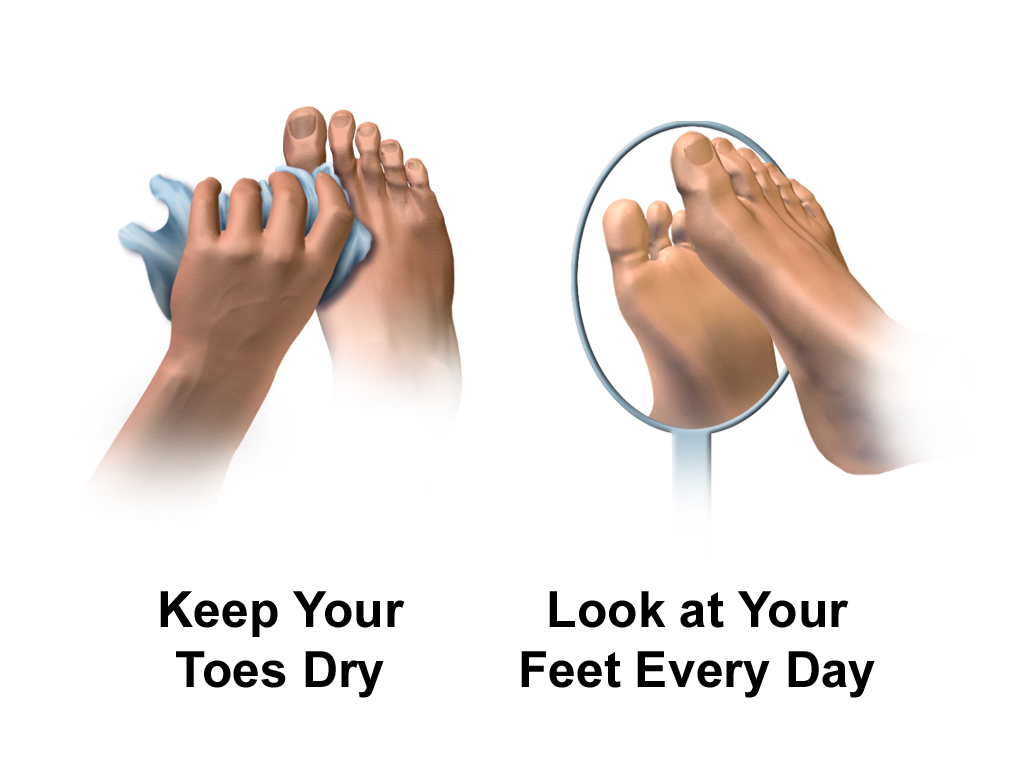
6 steps for safely checking the soles, between the toes, around the nails and inside your shoes.
Wound, infection, circulation and general health signs that should not wait.
Daily choices that help reduce pressure and friction, and things to avoid.
Scientific approach
No single approach to diabetic foot is right for everyone. Our content clearly states the level of evidence, uncertainties and situations requiring specialist assessment.
Information center
Simple explanations, from symptoms to daily care.
A patient guide explaining the early signs of diabetic foot that may develop silently, changes that increase risk and when to seek assessment.
An explanatory guide covering blood sugar, circulation, infection and pressure problems that can slow wound healing.
Explains the factors that determine limb-preserving treatment options and why surgery does not always mean amputation.
Videos from the physician
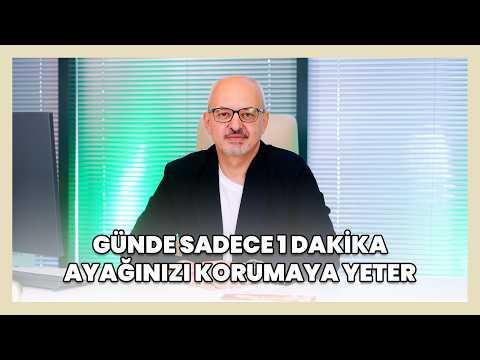
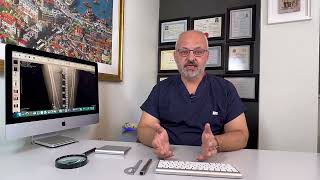
Watch Prof. Dr. Bilgili explain diabetic foot care and orthopedic treatments, and prepare your questions before your consultation.
▶
▶
▶
▶
▶
▶
Orthopedics and Traumatology
YOUR PHYSICIAN
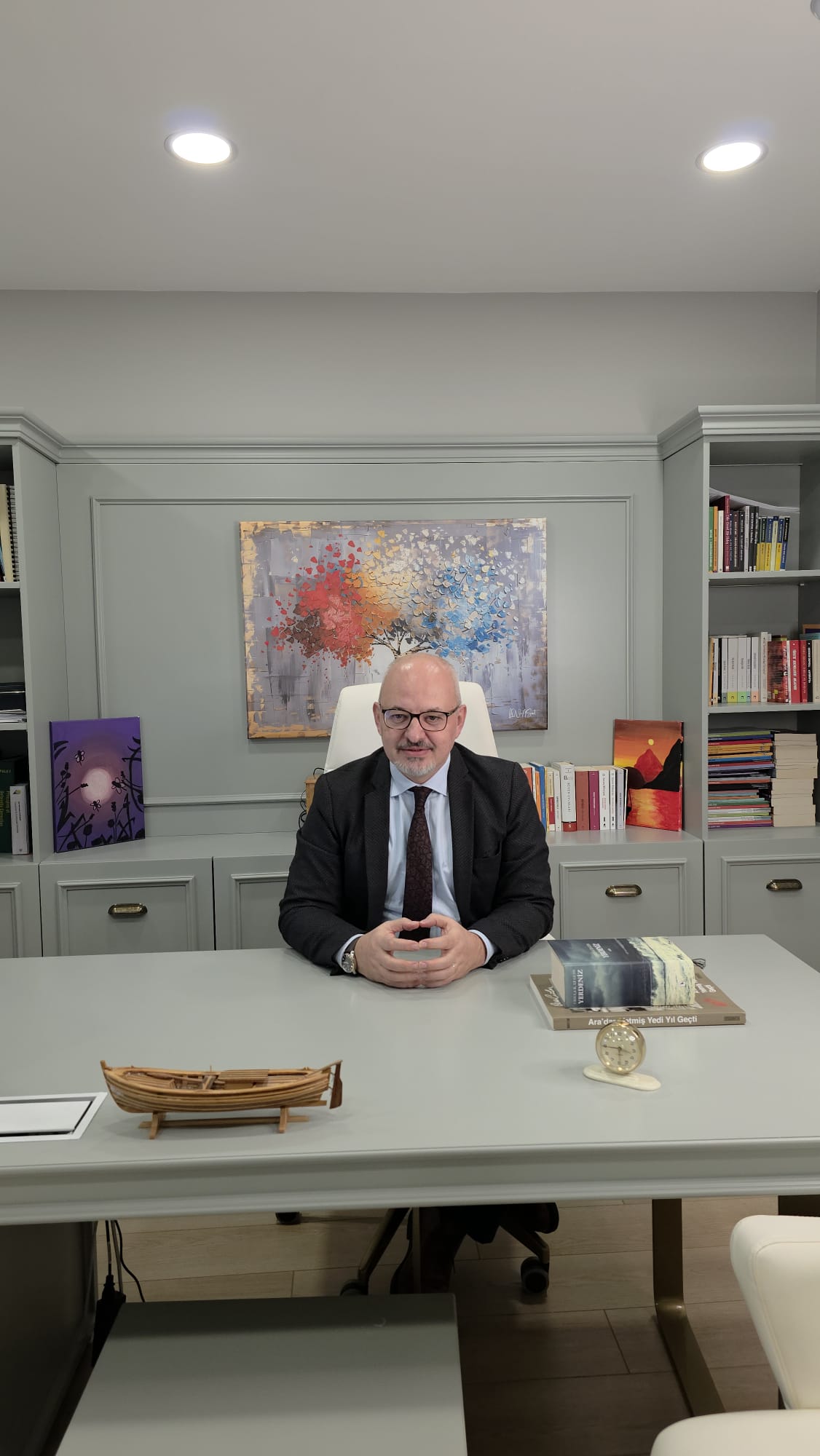
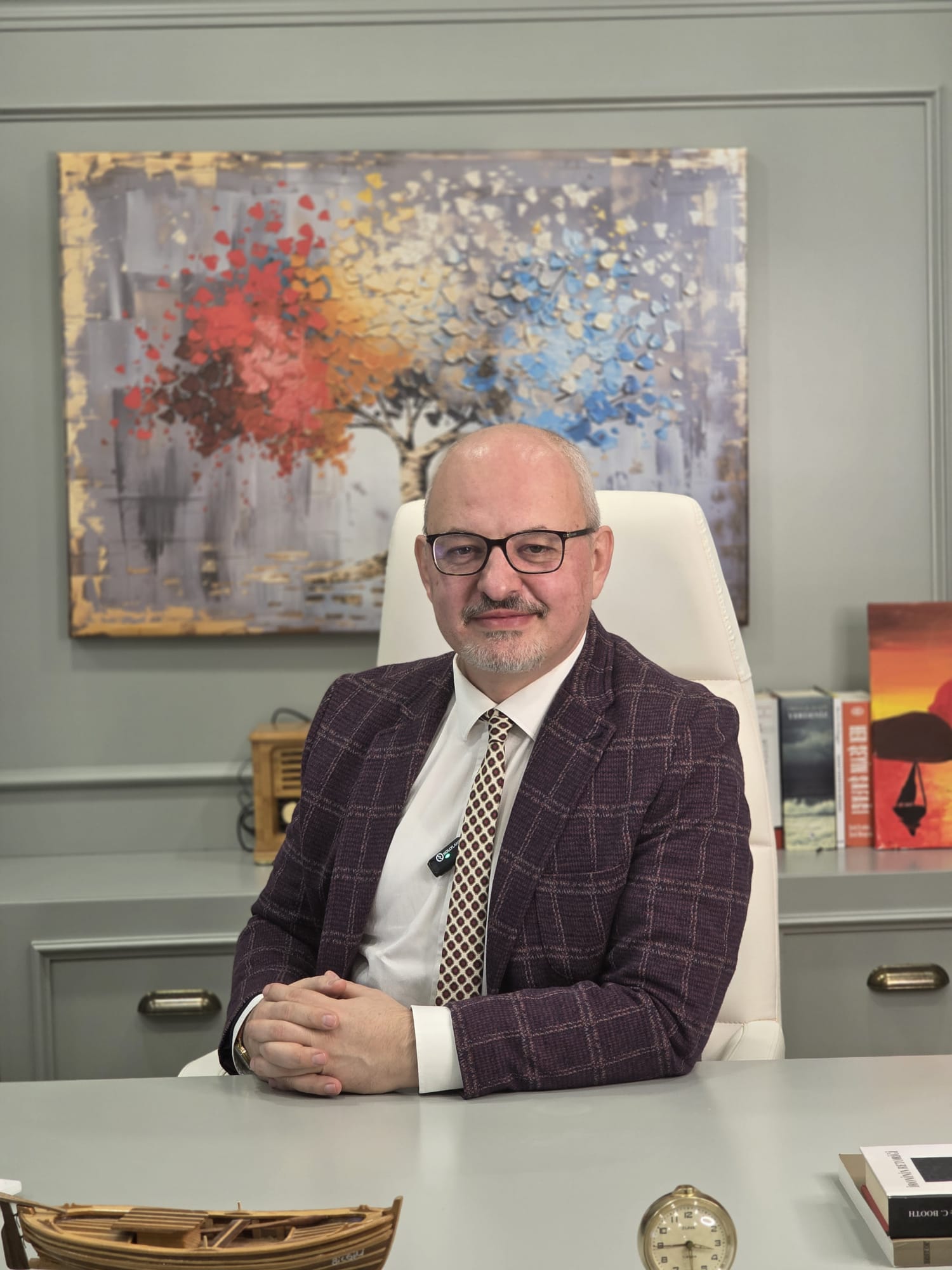
Prof. Dr. Mustafa Gökhan Bilgili focuses on trauma, deformity surgery, Ilizarov techniques, nonunion, osteomyelitis and limb-preserving reconstruction in diabetic foot.
He began specialty training in 1999 at the Department of Orthopedics and Traumatology, İstanbul University Cerrahpaşa Faculty of Medicine, and qualified as an orthopedic surgeon in 2005. Through his academic work, he became an associate professor in 2015 and a professor in 2020.
Limb reconstruction, deformity correction, Ilizarov techniques, nonunion, bone infection and limb-preserving surgery in diabetic foot.
He combines clinical experience with academic work through national and international publications, congress presentations, teaching and professional society activities.

Let us take the first step together
Contact the clinic for nonurgent appointments and information. In an emergency, call 112.
Scientific, personalized assessment for diabetic foot, infection, deformity and limb-preserving surgery.
+90 549 900 24 54
[email protected]
Optimist Residence, Fikirtepe, Yıldırım Sk. No:34, 34720 Kadıköy/İstanbul
Directions and appointments →
Medical information: The content on this site provides general information; it does not replace examination, diagnosis or an individual treatment plan. In an emergency, call 112 or go to the nearest emergency department.