


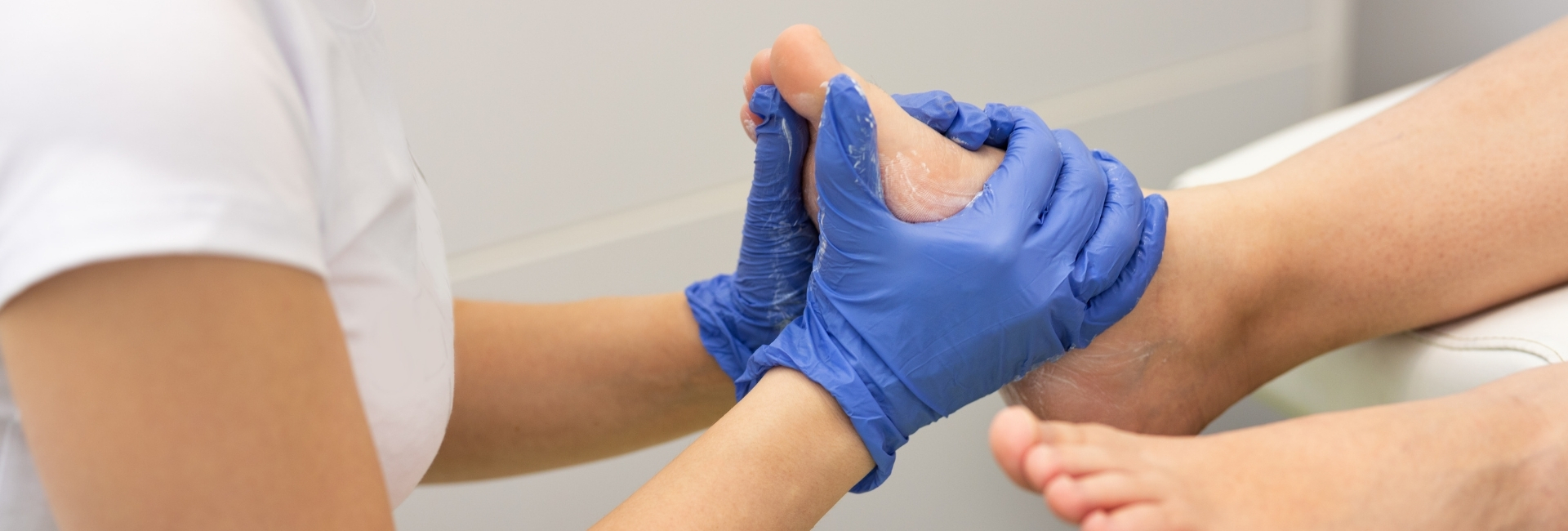
Diabetes-related loss of sensation can allow a cut or blister to progress without pain. Feet should therefore be visually checked every day, even when they feel fine.
Making a brief check a habit at the same time each day helps detect changes earlier.
- Comparing both feet
- Viewing the soles and heels
- Checking between the toes
- Checking inside shoes
How should you check?
In good lighting, examine the top, sides, heels, soles and spaces between the toes. If the sole cannot be seen, use a mirror or ask a family member for help.
What changes should you look for?
Note redness, swelling, blisters, cuts, cracks, calluses, discharge, color changes and greater warmth in one foot than the other.
- A new wound or skin loss
- Redness around the nails
- Blood or discharge marks on socks
- A lasting pressure mark from a shoe
If you notice a change
Reduce loading on the foot, keep the area clean and dry, and do not cut or puncture it. Contact a healthcare professional for concerning signs.
Checks do not depend on pain
The absence of pain does not mean there is no problem; visual checks are especially important for feet with loss of sensation.
Related content
Scientific sources
This information is for general education. The assessment and treatment appropriate for you are determined by a medical examination.