


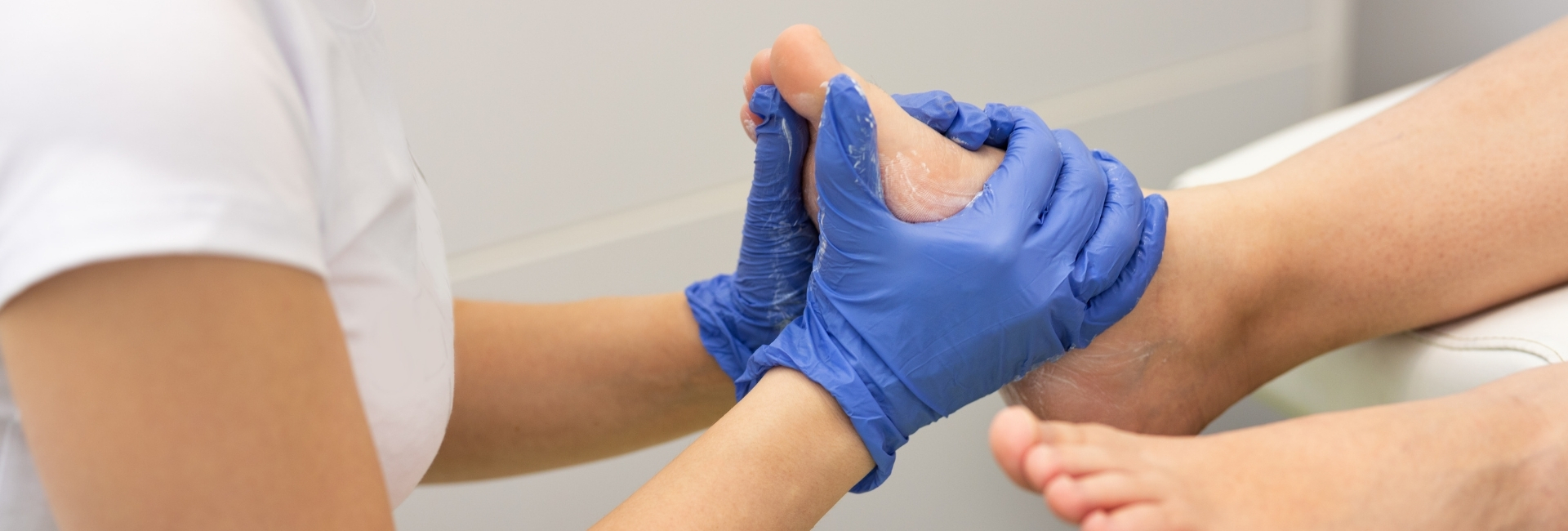
A foot wound in someone with diabetes usually develops through several combined risks rather than a single event. Reduced sensation makes trauma harder to notice, while circulation problems may affect tissue resilience and healing.
Tight shoes, repeated pressure, a callus or a small cut may develop into a wound in this setting. Feet need assessment of sensation, blood supply and pressure distribution alongside their appearance.
- Nerve damage may delay recognition of minor trauma.
- Poor circulation may reduce the tissue's capacity to heal.
- Tight shoes and calluses may cause repeated pressure.
- An open wound can provide an entry point for infection.
How does blood sugar affect tissue?
Persistently high blood sugar may damage nerves and blood vessels. Although blood sugar management alone does not prevent all wounds, it is fundamental to reducing risk and supporting healing.
Neuropathy and unnoticed trauma
When pain, pressure and temperature sensation decrease, a person may not notice a foreign object in a shoe, friction or a small cut. Daily visual checks are therefore important.
Poor circulation
When blood flow to the foot decreases, the skin may be more vulnerable and wounds may recover more slowly. Coldness, pallor, calf pain with exertion or a nonhealing wound may require vascular assessment.
Pressure and footwear
Tight or rigid shoes or those with prominent internal seams may increase pressure at specific points. For feet with deformity or calluses, appropriate footwear or insoles should be selected through professional assessment.
How does infection develop?
When skin integrity is broken, bacteria may enter the tissue. Seek medical assessment the same day for new discharge, an unpleasant odor, redness, swelling or increased warmth.
Reduce risks before a wound develops
Daily checks, appropriate footwear, avoiding barefoot walking and regular diabetes follow-up help prevention when used together.
Related content
Scientific sources
This information is for general education. The assessment and treatment appropriate for you are determined by a medical examination.