


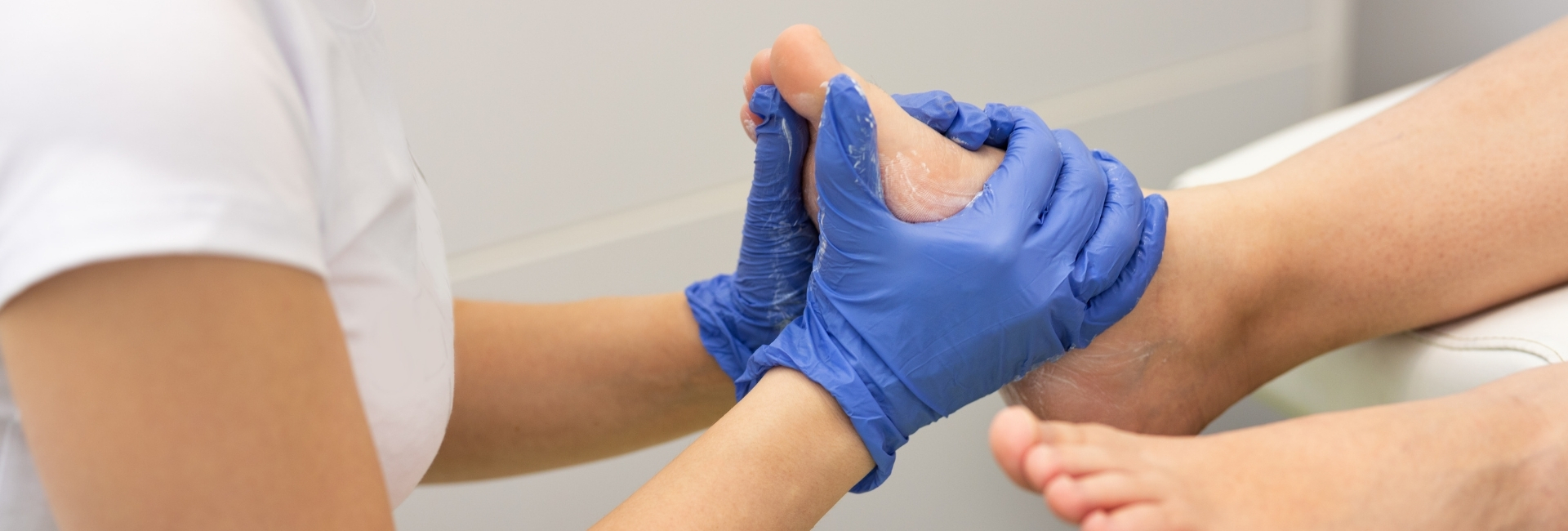
Diabetic foot infection may remain superficial or spread to deeper tissues and bone. Pain may not always be prominent because of loss of sensation.
Treatment extent is determined by infection severity, wound depth, circulation and the person's general health findings.
- Determining infection depth
- Appropriate sampling and tests
- Targeted medication
- Surgical debridement when needed
Symptoms to watch for
New redness, warmth, swelling, discharge, unpleasant odor, color change or deterioration in general condition should be assessed for infection.
Clinical assessment
The examination assesses wound size and depth; blood tests, imaging or appropriate tissue sampling may be performed if needed.
Treatment plan
The physician determines antibiotic choice and route according to infection severity. If medication alone is insufficient, infected or dead tissue may be removed.
Close follow-up
During treatment, spreading redness, fever, increasing discharge or changes in general condition are monitored. Worsening findings require prompt reassessment.
Seek assessment the same day
Discharge, an unpleasant odor, rapidly increasing redness or deterioration in general condition accompanying an open wound requires prompt medical assessment.
Why is follow-up needed during infection treatment?
The extent and depth of infection influence treatment decisions. Appropriate samples are taken to identify the cause when needed; medication choice and the need for surgery are assessed alongside clinical findings. Tell the team about previous antibiotics and medication allergies.
Antibiotics are not automatically necessary for every open wound. Do not start antibiotics yourself to protect a wound that is not infected. If treatment is prescribed, clarify the schedule with your physician; contact the healthcare team before the planned follow-up if there is no improvement or the condition worsens.
Related content
Scientific sources
This information is for general education. The assessment and treatment appropriate for you are determined by a medical examination.
Further reading: NIDDK foot health · NICE NG19 · AAOS patient guide